Skip to content

Meet the Travis County Candidates of 2024

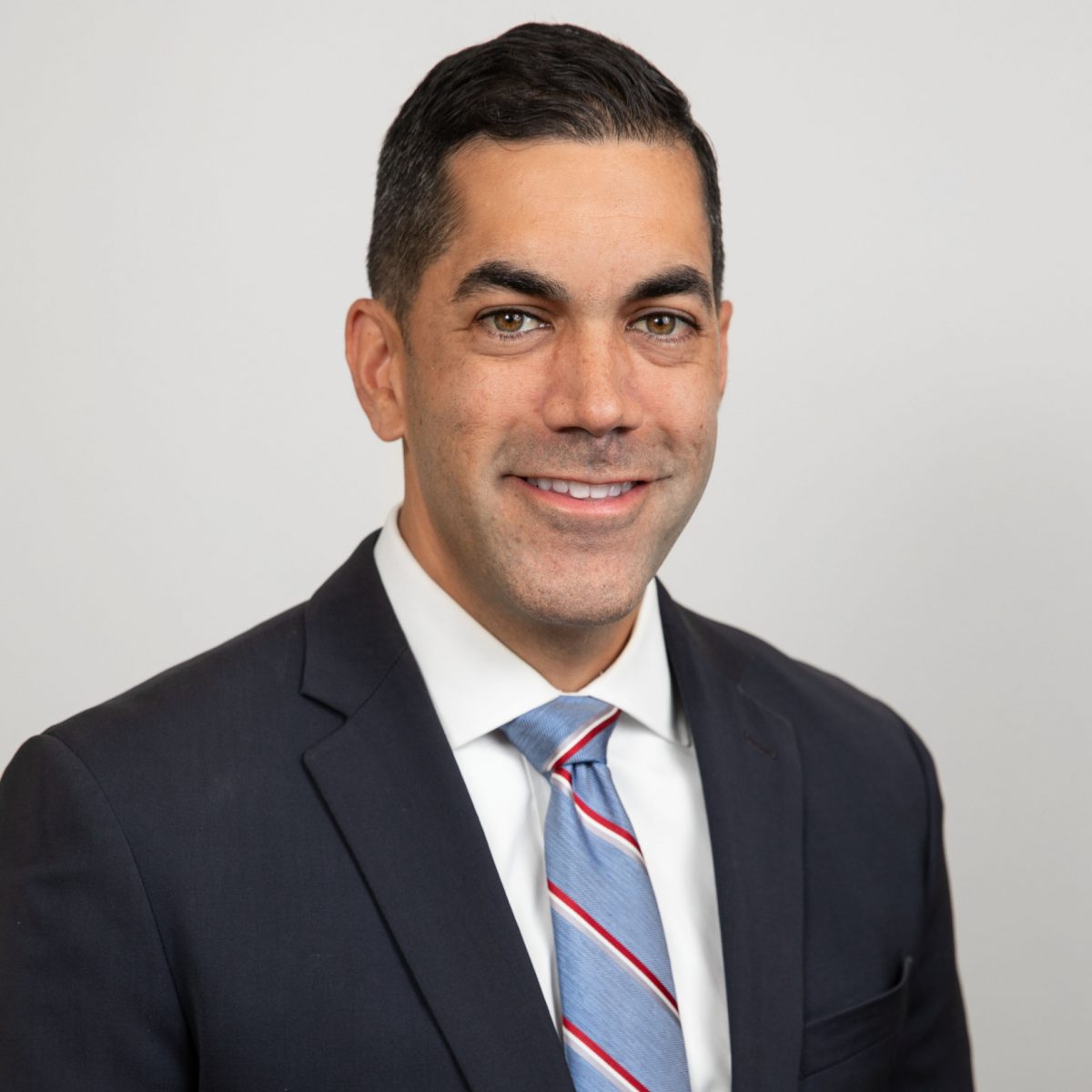
US Senate: Ted Brown

Ted joined the Libertarian Party in 1979 and has been active his entire adult life. He has served as Chairman of the Libertarian Party of California and as a member of the Libertarian National Committee. He is currently Vice Chairman of the Libertarian Party of Travis County, Candidate Coordinator for the Libertarian Party of Texas, and a member of the Texas State Libertarian Executive Committee (SLEC).


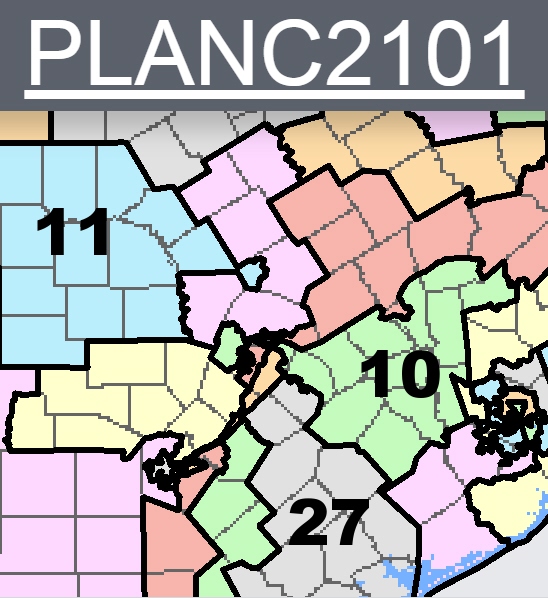
US Congress, District 10: Jeff Miller

Jeff is a 40+ year resident of Bryan/College Station. He grew up here, went to the schools here, and raised his own son here. He’s always lived and worked under the laws and policies put in place by the government in this district.
Key themes of the campaign:
* You to have the freedom to live your life how you see fit, as long as you are not harming others.
* Elected politicians have used “emergency” powers to take more and more of your freedoms away. Jeff opposed all of the mandates, and is already against the next mandate!
* REDUCE the size and power of government, and restore the freedoms of the citizens of Texas. ALL of the citizens, not just the ones with powerful lobbyist friends.

US Congress District 36: Girish Altekar

Girish Altekar has been a resident of Clarksville and Crestview neighborhoods of Austin for 34 years, and is currently the At-Large member of the Travis County LP Executive Committee. Altekar earned a bachelor’s degree in electrical engineering from a university in India, an M.S. in computer and systems engineering from Rensselaer Polytechnic Institute, and an M.B.A. from the University of Texas, Austin. His career experience includes working in the technology industry and running his own business.

Over the years, he developed a deep appreciation for the founding philosophies of this nation. The deference to individuals to pursue happiness as they see fit, is unmatched in this world. America derives its enduring strength and vitality from this single exceptional attribute. He considers it his duty to contribute to the preservation of these ideals for future generations.

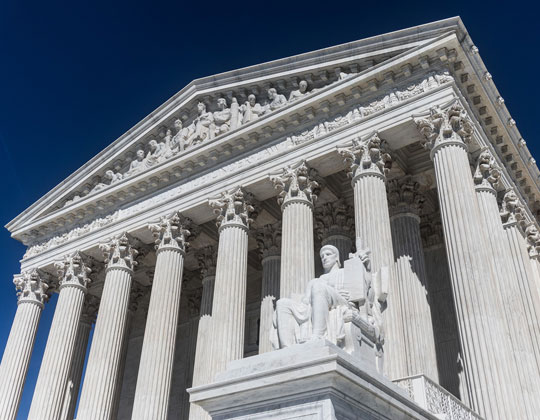
Texas Supreme Court, Place 6: David Roberson

David Roberson is the Secretary for the Travis County Libertarian Party, a Legislative Liaison for the Libertarian Party of Texas, and has supported the Libertarian National Party on the By Laws & Rules Committee as an alternate. He earned a B.A. in political science from Baylor University in 2006 and a J.D. from the South Texas College of Law, Houston, in 2010. His career experience includes working as an attorney and vice president of operations and director of calculation, compliance & audit at Prime Tax Group.

Texas House of Reps, District 48: Daniel McCarthy

Daniel is the current Chair of LP Travis, and a lifelong advocate for personal & financial freedoms, philanthropy, and peace. He firmly believes that upholding the rights of individuals to live their lives free from unnecessary constraints and interference is the best way to prosperity and happiness.

Daniel grew up in Dripping Springs, earned a BA in Political Science from Texas State University in 2010, and has been helping to grow startups in Austin ever since, including Main Street Hub (now GoDaddy Social), Hometown Hero and now Crowdstake. He’s married to his wonderful wife Rebecca and lives in South Austin.

UPDATED: Convention Season Is Coming Up – Mark Your Calendars!

While Democrats and Republicans vote in those parties’ primaries on March 5 for an array of statist candidates, Libertarians will instead nominate our candidates in a series of upcoming conventions. If you want to participate in the Libertarian nominating process, you can’t vote in the major party primaries.

The dates are set by Texas state law. Here is the order of events:

Precinct Convention – Tuesday, March 12, 7:00 p.m. This is where voters affiliate with the Libertarian Party and sign up to be delegates to the County Convention. This event will be combined with our normal March meeting but will be on Tuesday instead of Monday. There will also be a presentation of proposals to amend the county bylaws.
Location:
Casa Chapala
9041 Research Blvd.
Austin, TX 78759
(northeast corner Burnet Rd & 183)

County Convention – Saturday, March 16, 10:00 a.m. This is where we elect county party officers for two-year terms, nominate candidates for public offices wholly within Travis County, elect delegates to the State Convention, and handle party business, such as proposals to amend the county bylaws.
Location:
Austin Library – Menchaca Road Branch
5500 Menchaca Road
Austin, TX 78745
(at Stassney Lane in South Austin)

District Convention – Saturday, March 23, 11:00 a.m. This is where we nominate candidates for public offices that extend over several counties. We will nominate candidates for Congressional Districts 10, 35, and 37.  This should be a very short meeting.
Location:
Walnut Creek Metropolitan Park – Picnic Shelter
12138 N. Lamar Blvd.
(west side of Lamar south of Parmer Lane)
Austin, TX 78753

State Convention – April 12 to 14. This is where delegates from all over Texas convene to elect state party officers for two-year terms, nominate candidates for statewide office, select delegates to the National Presidential Nominating Convention, and conduct party business, such as changes to the platform and bylaws.
Location:
American Bank Center
1901 N. Shoreline Blvd.
Corpus Christi, TX 78401

National Convention – May 24 to May 27. This is where delegates from all 50 states convene to nominate our candidates for President and Vice President, select national party officers for two- year terms, and conduct party business, such as changes to platform and bylaws.
Location:
Washington Hilton Hotel
1919 Connecticut Avenue N.W.
Washington, DC 20009

Reeling in Government Overreach – How a fishing company might overturn 40 years of bad precedent.

In what could be a landmark decision, the SCOTUS may well be on the verge of overturning 40 years of misplaced deference to the executive branch. On Wednesday Jan 17th 2024 they heard 3.5 hours of oral testimony in the case of Loper Bright Enterprises v. Raimondo. In short, a Trump era rule mandated that fishing boats accommodate government inspectors at their own expense on trips to sea. It can eat up to 20% of the profit of these vessels.

What is “the Chevron Defense?”
In the 1984 Chevron U.S.A., Inc. v. Natural Resources Defense Council, Inc. case, Chevron argued that the Environmental Protection Agency’s (EPA) interpretation of the Clean Air Act was reasonable and entitled to deference from the courts. The specific issue at hand was the EPA’s interpretation of a provision in the Clean Air Act that addressed the regulation of stationary sources of air pollution. Chevron contended that the statute was ambiguous, and as a result, the EPA’s interpretation should be deferred to if it was found to be reasonable.

Why was Chevron siding with the EPA? Because regulatory capture in the 70’s and 80’s had worked its magic to ensure that the EPA would consider the word “source” from the 1963 Clean Air Act in Chevron’s favor. Instead of having to comply with the standards set forth by congress, Chevron could make a few updates within their plants and offset the amount of new pollution by limiting the effects of some older sources.

Chevron ultimately won the case. The Supreme Court, in its 1984 decision, established the Chevron defense, a legal doctrine that outlined a two-step process for reviewing agency interpretations of statutes. The Court held that if a statute is clear and unambiguous, the court should follow the plain meaning of the statute. However, if the statute is unclear or ambiguous, the court should defer to the agency’s reasonable interpretation. In this case, the Court found that the Clean Air Act was ambiguous, and therefore, it deferred to the EPA’s interpretation. This decision had a significant impact on administrative law and set a precedent for courts to give deference to agency interpretations of statutes when faced with ambiguity.

What are the ramifications?
There are five areas in which Chevron has upset the intended machinations of government:

  • Delegation of Legislative Authority: For instance, Dodd-Frank created the Consumer Financial Protection Bureau (CFPB) in 2010. In the absence of explicit statutory guidance on certain issues, the CFPB has the authority to interpret and implement rules “to protect consumers”. In practice the CFPB has gone far an above the Dodd-Frank act and placed undue burdens on smaller lenders and small business loan applicants.
  • Judicial Deference to Executive Branch: In the case of FCC v. Fox Television Stations (2009), the Supreme Court applied Chevron deference to uphold the FCC’s indecency policy. The Court deferred to the FCC’s interpretation of ambiguous terms related to broadcast indecency, demonstrating the deference given to regulatory agencies.
  • Checks and Balances: The Affordable Care Act (ACA) involves complex healthcare regulations. Courts have had to navigate Chevron principles when considering challenges to how agencies like the Department of Health and Human Services interpret and implement provisions of the ACA.
  • Potential for Executive Overreach: In cases involving immigration law, agencies like the U.S. Citizenship and Immigration Services (USCIS) may rely on Chevron to defend their interpretation of statutes. This empowers agencies to influence immigration policies without sufficient congressional oversight.
  • Legal Uncertainty: All of this amounts to the fact that changes in administration can lead to shifts in regulatory priorities and interpretations. For instance, the interpretation of environmental regulations by the EPA may vary under different administrations, creating uncertainty for businesses and stakeholders.

Effects of removing the Chevron Defense

Clarity and Predictability: Overturning Chevron could lead to a more straightforward and predictable legal landscape. With less deference to agency interpretations, businesses may have clearer guidance on how statutes are interpreted, reducing uncertainty about regulatory compliance and enforcement.

Reduced Regulatory Burden: The Chevron deference enables agencies to create regulations with less oversight, leading to a heavier regulatory burden on businesses. Without Chevron, the leash is tightened, potentially resulting in less burdensome regulations.

Increased Litigation Risk: While businesses may appreciate clearer legal standards, the absence of Chevron deference could increase the risk of litigation. With courts playing a more active role in interpreting statutes, businesses might face more legal challenges to regulatory actions, potentially leading to increased litigation costs.

Potential for Regulatory Inefficiency: Overturning Chevron might limit agencies’ ability to adapt quickly to changing circumstances or address emerging issues. This could slow down the regulatory process, making it harder for agencies to implement timely and effective regulations that respond to evolving business and market conditions. (Editor’s note: Oh no! The market will have to decide what’s okay and the government can’t just arbitrarily regulate to death the little guys like vape manufacturers when big tobacco asks them to?)

Wednesday’s Proceedings

Justice Ketanji Brown Jackson posited that the Chevron doctrine serves an important purpose. Under Chevron, she suggested, Congress gives federal agencies the power to make policy choices – such as filling gaps or defining terms in the statute. But if Chevron is overturned and agencies no longer have that power, she predicted, then courts will have to make those kinds of policy decisions.

According to Justice Brett Kavanaugh, Chevron “ushers in shocks to the system every four or eight years when a new administration comes in” and implements “massive change” in areas like securities law, communications law, and environmental law.

Gorsuch pointed to less powerful individuals who may be affected by the actions of federal agencies, such as immigrants, veterans seeking benefits, and Social Security claimants. In those cases, Gorsuch stressed, Chevron virtually always works for the agencies and against the “little guy.”

Roman Martinez, representing one group of fishing vessels, rejected any suggestion that the Chevron doctrine should be limited but not overruled. The justices, he said, should “recognize that the fundamental problem is Chevron itself.” By the time the session drew to a close, it seemed – but was not completely clear – that a majority of the justices agreed with him.

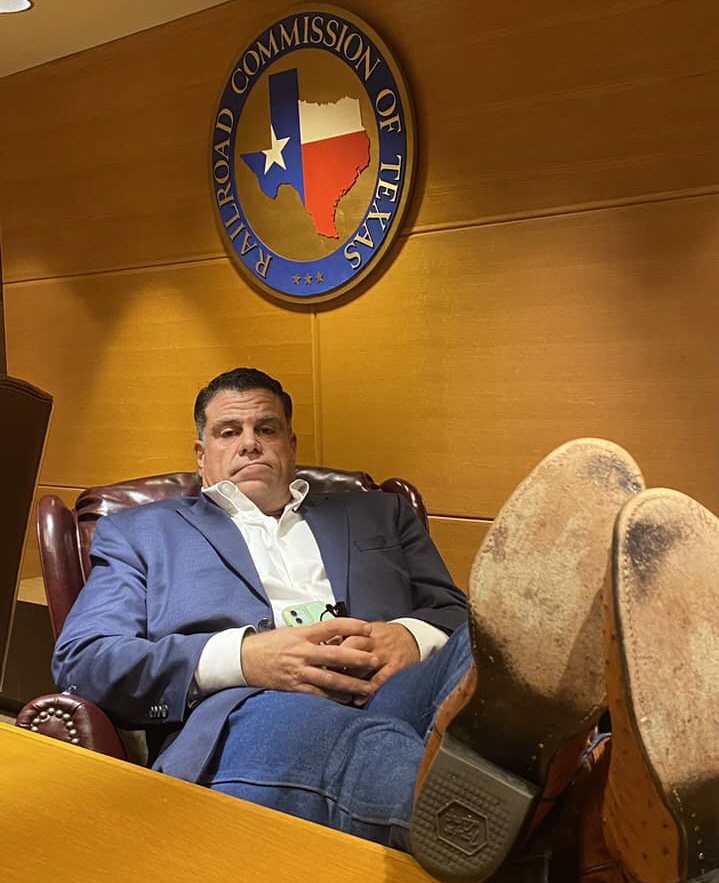
December 2023 ~ Hawk Dunlap for RR Commission and Other Candidates

6th generation Texan & 4th generation in oil and gas, Hawk is prepared for the part.

Hawk Dunlap is a Stephen F Austin State University graduate with over 32 years experience in global oil & gas operations. Having worked primarily in well control / blowouts / oil well firefighting and critical well intervention, he delivers solutions to troublesome operational problems globally in some of the harshest environments on the planet.

The government is inept — Hawk is industry, and says, “We can self-regulate.”

Stay tuned as Hawk builds a website and likely separate social media for his campaign for the Texas Railroad Commission. For now, see what he’s already posted on his personal page.

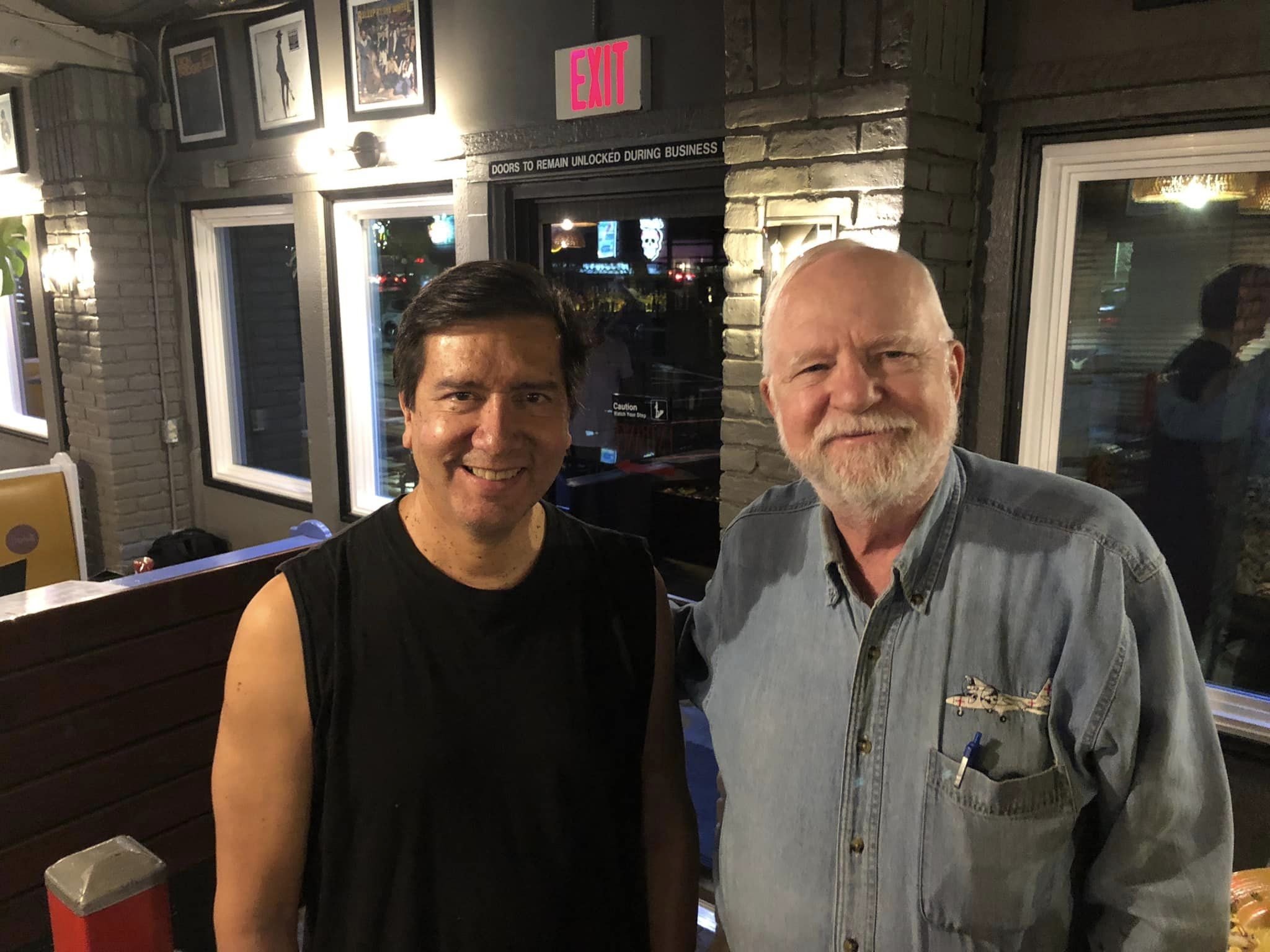
Here’s Hawk with last election’s nominee for TXRRC: Jaime Diaz

We’ve also invited other candidates, and are pleased to welcome LPTexas Chair, Whitney Bilyeu.

Please join us on Monday, December 11, 2023 at 6:45-9:00 PM at Casa Chapala, 9041 Research Blvd., in Austin TX (183 & Burnet Road) for a fun & informative partisan public office filing deadline.
Bring yourself and invite friends!

Libertarian Candidates Needed for 2024 Election

The filing deadline for the 2024 election is rapidly approaching: December 11, 2023.

Libertarians have been announcing their candidacies for federal, state, and local offices. However, we have had less interest than in past years. More Libertarian candidates are needed to give voters the choice of personal freedom, economic freedom, and a peaceful foreign policy that they won’t find in other party’s candidates and officeholders.

The Travis County Libertarians who have announced their candidacies thus far are Ted Brown for U. S. Senator, David Roberson for Texas Supreme Court, and Daniel McCarthy for State House District 48. There is some interest in some of the local U. S. House races as well.

We still need Libertarians to run for U. S. House, State Senate, State House, and county offices like County Commissioner, Tax Collector, District Attorney, and County Attorney.

Please reach out to LPTexas Candidate Coordinator & LPTravis Chair Ted Brown for more information if you are interested.